
The Algarve Countryside: Why Go Beyond the Beaches
Travel
The Algarve: two words that immediately conjure images of golden sands, teeming streets, and crowded beach resorts. But for those compelled to venture beyond the coast, another side of Portugal emerges.

The Algarve: two words that immediately conjure images of golden sands, teeming streets, and crowded beach resorts. But for those compelled to venture beyond the coast, another side of Portugal emerges. High in the sun-baked hills of the inland Barrocal, southern Portugal shifts into a sanctuary out of time—a world of rolling hills, olive groves, age-old ruins, and lush forests punctuated by quaint villages where the world seems to stand still. This is the true soul of the Algarve, and where your Viceroy story begins.
Effortless Arrival: Faro Airport
For a place that feels worlds away, getting to Viceroy at Ombria Algarve is the easy part. With direct connections to Faro Airport (FAO) from major hubs across Europe, including London, Paris, Frankfurt, and Dublin, your Algarve story starts from the moment you touch down. One seamless, 25-minute scenic drive in the Algarve countryside later, and the coastal crowds fade entirely, giving way to sweeping valley views and the quiet elegance of Viceroy at Ombria Algarve.

Your Place in the Sun: Viceroy Ombria Algarve
Centuries of Portuguese heritage blend seamlessly with sleek, contemporary elegance at Viceroy at Ombria Algarve. A stone’s throw from ancient hilltop villages like Querença, Alte, Loulé, and Salir, it stands as an antidote to glossy coastal tourist traps. This version of considered luxury isn't about isolation; it's an invitation to leave the beaches behind and plunge headfirst into the true soul of the Algarve.
A Bygone Portugal: Querença
Tucked within the hinterland of the Algarvian mountains, Querença feels like a place frozen in time. The quaint hilltop village of around 700 residents sits adjacent to Viceroy at Ombria Algarve: a scenic five minutes by car, though easily walkable for those looking to embrace the unhurried pace of life in the Algarve countryside.
Here, traditional limewashed houses and intricate lace-patterned chimneys offer stark contrast against a vivid azure sky. A central square and historic church sit at the heart of town, surrounded by market stalls selling handcrafted empreita baskets and restaurants serving characteristically inland dishes like Cabidela rooster or xerém (a rich, savory corn porridge).

Essential Landmarks:
- Igreja de Nossa Senhora da Assunção, a 16th-century church adorned in traditional hand-painted tiles, with a Gothic Manueline doorway and magnificent gilded altar.
Seasonal Highlights:
- Festa das Chouriças, a smoked sausage festival held on the third weekend in January. The century-old religious and culinary celebration honors São Luís (Saint Louis), patron saint and protector of animals, while showcasing the region's rich gastronomy.

Off the Tourist Track: Alte
Ancient Alte has lived many lives: first a prehistoric farming settlement, then a fortified town, now a peaceful respite from the heavily touristed resort towns of the coast. Hidden within the limestone foothills of the Serra do Caldeirão mountains, it’s considered among the most untouched of Algarve villages: an architectural time capsule of cobblestone laneways, red tile roofs, and lattice-style chimneys that evoke the region’s Moorish past.
A mere 15 minutes from Viceroy at Ombria Algarve, it’s worth a visit for the journey alone. (Scenic drives in the Algarve countryside always are.) Once there, the town itself is highly walkable, and can be explored in full on foot in just a few hours. Tree-shaded fontes (stone-lined river pools) wind their way through the town, perfect for a refreshing swim or leisurely picnic along the banks.
Essential Landmarks:
- The Queda do Vigário, a towering, 24-meter waterfall that offers a breathtaking sight during the cooler months, but is known to dry up entirely during the warm summer months.
- Chapel of St. Louis, a 15th-century chapel and former mosque featuring an ornate nave and Baroque-style altar, along with a collection of 18th-century paintings.
Seasonal Highlights:
- Dia do Trabalhador, Alte’s annual May Day festival. Expect traditional folk dancing, vibrant displays of color, live music, and throngs of locals who pack the town’s narrow streets to celebrate the coming of spring.
Authentic Algarve Experiences: Loulé
The historic town of Loulé is a must-visit destination on any inland Algarve travel guide. Located roughly 15 kilometers from the Atlantic coast, it offers an intimate glimpse into traditional Portuguese life, centered around the lively Mercado Municipal de Loulé. Built in 1908, the pink-domed market hall serves as the beating heart of the village. Bustling stalls offer locally grown almonds, figs, and carobs, along with artisan-crafted copperware, leather goods, and hand-woven baskets.

Visit on Saturdays to experience the town at its most vibrant (the market, as well as many local landmarks and attractions, are closed on Sundays and Mondays). Or join Viceroy’s Executive Chef for a guided market-to-table experience: chat with local vendors, gather ingredients, and watch as your Chef transforms them into exquisite Portuguese dishes, sharing expert techniques along the way.
Essential Landmarks:
- Castelo de Loulé, a National Monument and 13th-century fortress with roots stretching back to the Roman presence in the second century. The view from the ramparts offers sweeping vistas of the surrounding Algarve countryside.
- Banhos Islâmicos de Loulé (the Islamic Baths), a 12th-century public bathing complex, National Monument, and the only fully documented hammam remains in Portugal. Explore the archaeological museum and the historic manor house built atop the site in the 1600s.

Seasonal Highlights:
- Loulé Carnival, the town’s annual Shrove Tuesday celebration, kicks off spring’s Lenten period with puppets, parades, and lively samba dancing.
- Noite Branca (“White Night”), an end-of-summer celebration held on the last Saturday in August, when the entire community turns out in a sea of white to take in live music, street performers, and daring aerial acrobatics.

A Barrocal Idyll: Salir
Perched dramatically on the crest of the Serra do Caldeirão, Salir offers a snapshot of the inland Algarve’s rugged charm. Here, narrow whitewashed lanes wind past traditional Moorish architecture, leading visitors toward lush valleys and rolling orchards.
This is unspoiled Algarve nature at its finest. Fed by natural springs, the nearby Fonte Benémola nature reserve is a sanctuary of verdant hills, tree-lined trails, and diverse wildlife. Explore at an easy pace on an expertly guided horseback tour from Viceroy at Ombria Algarve, or go deeper into the town’s vibrant apiculture with a beekeeping and tasting experience at a traditional, family-run honey factory.

Afterward, stop in at a local tavern—the unassuming Beirada Bar is a favorite among residents and visitors alike. Warm your spirits with a sip of medronho, the region's famous, handcrafted wild strawberry-tree brandy, perfectly paired with regional cheeses and locally harvested honey.
Essential Landmarks:
- The Castle of Salir, a 12th-century Almohad fortress built in taipa and stone. The former tactical stronghold is now home to a small archaeological museum and offers panoramic views of the surrounding landscape.
Seasonal Highlights:
- Festa da Castanha, held in November each year to celebrate the harvest season, is a feast for the senses: the sound of Corridinho melodies, the taste of wild honey, and the smell of roasted chestnuts wafting on the autumn breeze.
- The Rocha da Pena Crest Trail, a 6.6-kilometer Algarve hiking trail that bursts into bloom each spring, home to over 450 plant species including native wildflowers and wild orchids.

A Story Rooted in the Spirit of the Algarve
Viceroy at Ombria Algarve opens the door to a side of Portugal most travelers miss entirely. Beyond the sun-soaked coastline lies ancient, wind-swept hills, fiery medronho, and timeless villages that haven't surrendered their soul to the crowd. Embrace the unexpected side of Portugal at Viceroy at Ombria Algarve.
More Stories
Travel
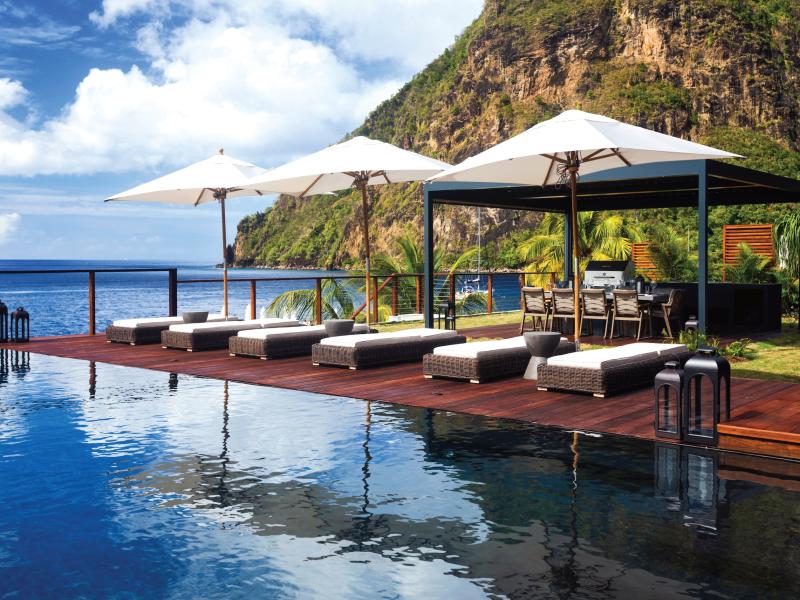
Ready to craft your own island story? These four breathtaking accommodations provide the perfect setting.
Travel
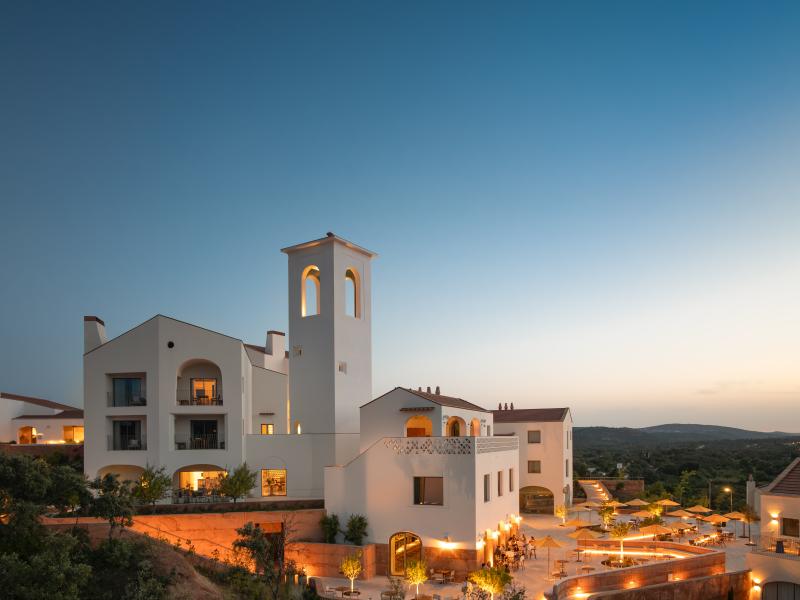
Uncover a world of authentic local experiences at Viceroy at Ombria Algarve. This 3-day Algarve Portugal itinerary takes you from golf and spa to nearby Loulé.
Travel
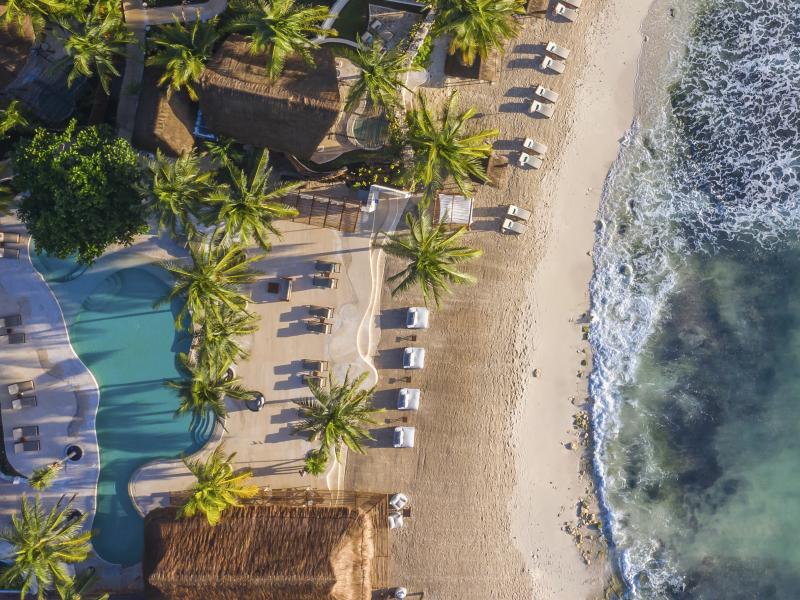
Soft sand, warm sun, a beach vacation that feels worlds away from the everyday. When you close your eyes and think of that perfect stretch of sand, some elements are a given. But Viceroy’s beach escapes open your eyes to a different world, each with a distinct soul.