
The Significance of a Mokoro Safari
Travel

What is a Mokoro?
A mokoro is a traditional canoe or dugout boat used in the African region of the Okavango Delta, particularly in Botswana. The term “mokoro” specifically refers to the boats used by the local people known as the Bayei and the BaYei people. These canoes are an essential mode of transportation in the waterways of the Okavango Delta.
Traditionally, mokoros were carved out of the trunks of large trees, usually the sausage tree or the ebony tree. However, modern mokoros are often made from more readily available materials, such as fiberglass. They are typically long and narrow, with a shallow draft, allowing them to navigate through the shallow waters, reeds, and lily pads of the delta.
Mokoros are traditionally propelled by standing at the rear of the boat and using a pole to push against the riverbed. This method is used to navigate through the winding channels of the delta, avoiding submerged obstacles and plants. The boatmen, known as polers, have exceptional skill in handling the mokoro and can maneuver through the water with ease.
Mokoros are widely used for various purposes, including transportation, fishing, and wildlife viewing. They provide a peaceful and non-intrusive way to experience a Okavango Delta safari, allowing visitors to get up close to the diverse ecosystem and observe the wildlife in their natural habitat.
It’s worth noting that the use of mokoros is a sustainable and eco-friendly way to experience the delta, as the boats have minimal impact on the environment and contribute to the preservation of this unique ecosystem.
The History of the Mokoro
The history of the mokoro dates back many centuries and is closely intertwined with the indigenous people and the waterways of the Okavango Delta in Botswana.
The mokoro tradition is associated with the Bayei and the BaYei people, who are believed to have migrated to the Okavango region from central Africa around 2000 years ago. These communities have relied on the delta’s resources for their livelihoods, and the mokoro became an integral part of their daily lives.
Originally, mokoros were handcrafted from large tree trunks. The indigenous people would select suitable trees, such as the sausage tree or the ebony tree, and skillfully hollow out the trunks to create the canoe-like boats. This traditional construction method required great expertise in carving and shaping the wood.

The mokoro’s design has evolved over time. Initially, they were relatively short and wide, providing stability for navigating the narrow channels and avoiding capsizing. However, with the introduction of fiberglass in more recent times, modern mokoros have become longer and narrower, allowing for better maneuverability.
The traditional use of mokoros was primarily for transportation, allowing the Bayei and BaYei people to navigate the extensive network of waterways in the Okavango Delta. The boats were propelled by standing at the rear of the mokoro and using a long pole to push against the riverbed, a technique known as poling.
Over the years, mokoros have also been utilized for fishing, providing a quiet and unobtrusive method of approaching fish in the shallow waters. Additionally, they have become popular among tourists as a unique and eco-friendly means of exploring the delta and observing its abundant wildlife.

The mokoro holds cultural significance for the indigenous communities of the Okavango Delta. It represents a connection to their ancestral heritage, reflecting their deep understanding of the waterways and their harmonious relationship with nature.
In recent years, the sustainable use of mokoros has gained recognition, promoting responsible tourism practices that support local communities and contribute to the preservation of the Okavango Delta’s fragile ecosystem.

Six Reasons Why You Should Try a Mokoro Safari
Going on a mokoro safari offers a range of special and unique experiences that set it apart from other safari activities. Here are some aspects that make a mokoro safari special:
1. Intimate and Peaceful
Mokoros are propelled silently through the water, allowing you to experience the delta’s serene and tranquil environment. The absence of noisy engines creates a peaceful atmosphere, enabling you to immerse yourself in the sights and sounds of nature without disturbances.
2. Close Encounters with Wildlife
The shallow draft of the mokoro enables you to navigate through narrow channels and get close o wildlife. You can quietly approach animals, such as elephants, hippos, and birds, without causing disturbance or intruding upon their natural behavior. It offers a unique opportunity to observe wildlife from a different perspective and capture remarkable photographs.

3. Minimal Environmental Impact
Mokoros are traditionally made from natural materials or modern fiberglass, both of which have minimal impact on the environment. By choosing a mokoro safari, you contribute to the conservation efforts in the Okavango Delta, as these traditional canoes have a low carbon footprint and help maintain the delicate balance of the ecosystem.
4. Expert Local Guides
Mokoro safaris are typically led by our experienced local guides who possess an in-depth understanding of the delta’s flora, fauna, and waterways. They share their knowledge about the region, identifying various bird species, animal tracks, and providing insights into the ecosystem. Their expertise enhances the safari experience, making it educational and informative.

5. Unique Perspective of the Delta
Exploring the Okavango Delta in a mokoro offers a distinctive vantage point. Being closer to the water surface provides a different viewpoint of the surrounding landscape, allowing you to appreciate the intricate details of the delta’s waterways, vegetation, and the interplay between land and water.
6. Sustainable and Responsible Tourism
Mokoro safaris align with sustainable and responsible tourism practices. They promote eco-friendly travel, support local communities, and contribute to the conservation of the Okavango Delta. By choosing a mokoro safari, you actively participate in a tourism model that prioritizes the preservation of the environment and the well-being of local communities.
The combination of peaceful exploration, up-close wildlife encounters, minimal environmental impact, knowledgeable guides, and a unique perspective makes going on a mokoro safari a truly special and memorable experience in the Okavango Delta.
Article originally published on African Bush Camps.

Frequently Asked Questions
Mokoro safaris are generally considered safe. The canoes are stable, and experienced guides who are skilled in poling the mokoros accompany participants. However, it’s essential to follow the instructions given by the guide and maintain balance in the canoe. Additionally, it’s advisable to wear a life jacket provided by the safari operator for added safety.
It is recommended to bring a hat, sunscreen, insect repellent, a reusable water bottle, a camera with a waterproof bag or case, binoculars, and comfortable lightweight clothing. Depending on the duration of the safari, you may also need to pack snacks, water, and any necessary personal items.
Mokoro safaris can be suitable for children, but it’s essential to check with the safari operator regarding age restrictions and safety guidelines. Younger children may need to be accompanied by an adult in the same mokoro, while older children may have the option to travel in a separate canoe. It’s important to consider the child’s comfort and ability to follow instructions during the safari.
No prior paddling experience is necessary for a Mokoro safari. The guides will handle the poling and navigation of the mokoro, allowing you to sit back, relax, and enjoy the experience. However, it’s important to follow the guide’s instructions to maintain balance and ensure a safe journey.
The Okavango Delta is home to a rich diversity of wildlife. During a Mokoro safari, you may have the opportunity to see elephants, hippos, crocodiles, various bird species, antelopes, monkeys, and more. However, wildlife sightings are never guaranteed as they are in their natural habitat, and their movements can be unpredictable.
Mokoro safaris are typically available year-round, but the experience may vary depending on the season. The Okavango Delta is subject to seasonal flooding, and water levels can affect the accessibility of certain areas. It’s advisable to check with the safari operator regarding the best time to visit and the current conditions in the delta.
The duration of Mokoro safaris can vary. It can range from a few hours to full-day excursions or even multiple-day trips with overnight camping. The length of the safari may depend on your preferences, the specific itinerary, and the safari operator you choose.
More Stories
Travel
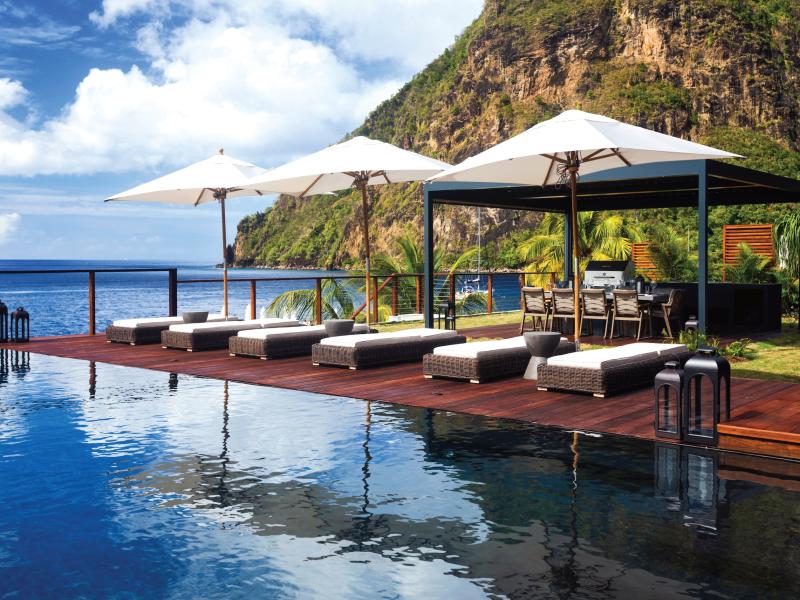
Ready to craft your own island story? These four breathtaking accommodations provide the perfect setting.
Travel
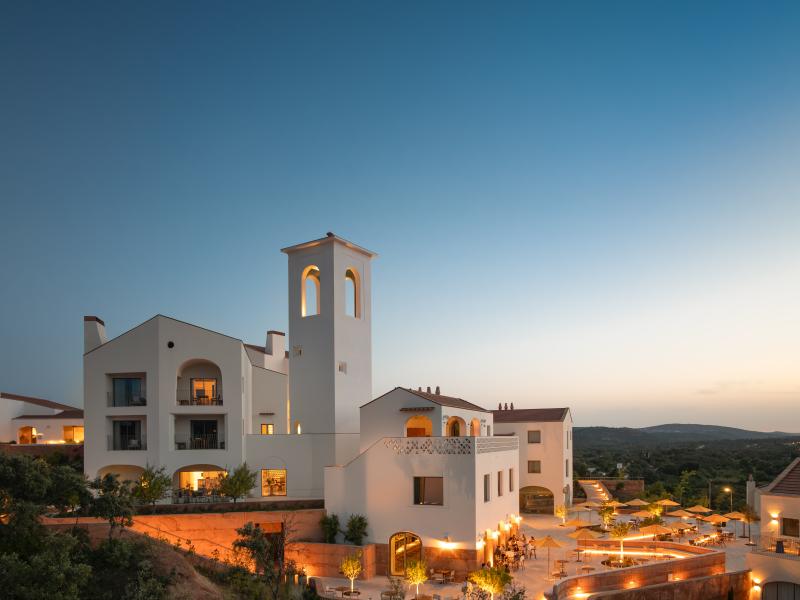
Uncover a world of authentic local experiences at Viceroy at Ombria Algarve. This 3-day Algarve Portugal itinerary takes you from golf and spa to nearby Loulé.
Travel
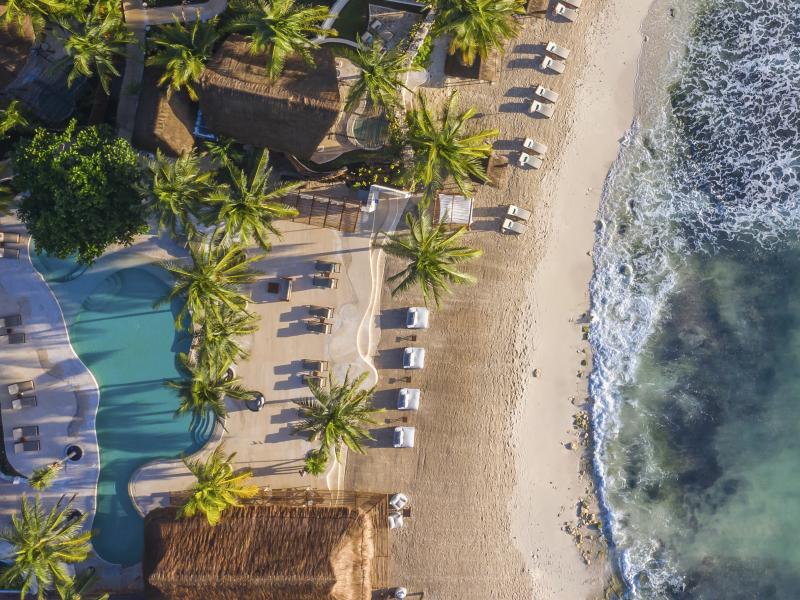
Soft sand, warm sun, a beach vacation that feels worlds away from the everyday. When you close your eyes and think of that perfect stretch of sand, some elements are a given. But Viceroy’s beach escapes open your eyes to a different world, each with a distinct soul.