
Max Girombelli on Bespoke Italian Tailoring in New York City
A World Made by Many
Meet Duca Sartoria founder Max Girombelli and follow the process of creating a bespoke Italian suit, from New York fitting to Ancona tailoring.

Max Girombelli was born in Ancona, a small Italian city on the Adriatic coast, to a family that had already shaped fashion before he could walk. His uncle discovered Gianni Versace, and owned a big fashion company called Jenny. His late father and older brother had a company called Reporter, which included licenses with Valentino, Moschino and Enrico Coveri. The family sold the company in 1993, and rather than stay in the world of ready-to-wear, he went in a different direction, diving into the deep roots of fashion with tailoring. With the help of his older brother, he started Duca Sartoria. He moved to New York in 1999 and has been a New Yorker ever since.
From Italian Fashion to Bespoke Tailoring
The pull towards tailoring, he says, predates his decision to launch the business. "Even when I was young, I was more attracted by the style and the classic form of tailoring than fashion,” he says, adding that he’s “never been a fashion victim, even if I had access to all the famous designers." His workshop still functions on an old geographical model with tailors based in Ancona. He takes the measurements in New York, Dubai, or wherever he travels, sends the information to his tailors, and then the garment is designed, cut, made in Ancona, and shipped around the world. While his family’s earlier business sold wholesale through department and specialty stores, Duca Sartoria deals directly with the person wearing the suit.

The Details That Make a Bespoke Suit
Ask him to define a well-made suit, and he’ll immediately mention the fabric, referring to it as the “essence of the suit.” And the measurements, of course, are essential. If you measure incorrectly, the suit will not work, he says directly. Duca Sartoria works with mills like Loro Piana and Zegna, along with smaller, less famous Italian houses that have supplied the industry for generations, plus a few English fabrics. From there, the process moves through what he calls "the third part of the personalization," which includes buttonholes, lapel stitching, pocket construction, and lining which the team is “very, very crazy” about, he says. And while there’s an option to stay classic or go wild, he builds custom lining for clients getting married or marking a major occasion, hiding small, personal details in places only the wearer knows about. “It's your little secret, but it can reveal some of your personality," he says. His own signature is smaller and always the same: an Italian flag stitched into the buttonholes of his shirt cuffs.
New York, in his account, is less about a single culture than a collision of them, which is suitable for a trade that’s built on regional pride. "New York is not America,” he says. “New York is the capital of the world." he says, and in the tailoring business, there are people from all over the world. Even within Italian tailoring, the rivalries are specific. "The tailors from Naples are proud to be the Neapolitan tailors,” he points out. “Tailors from Rome have a different cut, a different construction." What his clients get, he says, is the full experience of that heritage, not just the garment. "They know they are enjoying the experience with an Italian expert in the field — choosing the nice fabric, the funky lining, and enjoying a glass of wine together." Alterations after the fact are always free, a service he calls the proper service for loyal clients.
From a New York Fitting to the Tailors in Ancona
The first appointment starts with a conversation, not a swatch. He sits down with the client to understand the purpose of the purchase. Fabric comes first, then lining, then the granular decisions: buttonholes, stitching, pocket style. Measurements get taken against a template so the client has a sense of the finished product before it exists. Then the suit travels to Ancona and back, a five-week wait before the second fitting. If anything doesn't sit right by then, he doesn't blame the client. "If something happens, of course it's the tailor's fault,” he says. “If the client gains weight, it's my fault. If the client loses weight, it's my fault. But we will fix it overnight with our master tailor."

The showroom includes a room he calls the Wall of Inspiration, for clients who need to see fabric at full scale rather than as a swatch in a book, and a side room his regulars have taken to calling the Gentlemen's Club, where conversation runs well past cloth. Cigars are smoked on the patio, and Italian food and travel are the most common topics of conversation. He treats the distinction between a brand and a bespoke house as a philosophy. "When you are a client of a brand, you embrace the brand. When you come to Duca Sartoria, you express yourself," he says. "I don't put my label on the jacket. There is your name. It's your own masterpiece.”

Why One Bespoke Suit Takes Many Hands
When asked what "A world Made By Many" means to him, he keeps the answer close to the garment itself. For Max, it means that many hands behind the suit make the suit unique and special. It's made by many tailors, and he's lived through enough shifts in how New York dresses to treat the current moment with some optimism. He watched the dot-com era push the city toward permanent casual wear and watched a strange reversal happen after the 2008 financial crash — when people who needed to look employed put jackets back on — and watched the pandemic undo all of that again. Now, slowly but steadily, people are coming back to the office. "This is what I hope will be the good return of classic elegance in New York,” he says.
A World Made By Many: Discover New York's Makers
Max's approach to tailoring begins with a conversation, and that feels fitting for a city built on so many different perspectives. A suit may carry his name or his client's, but its story stretches from a New York fitting room to the hands of the tailors working in Ancona.
At Viceroy Park Avenue, individuality is woven into the details. Max’s eye for fabric is just the beginning. The city’s style is shaped by people you’ll want to know, from the designers and artisans to the experts behind the scenes. We’d like to introduce you.

A New Chapter Begins on Park Avenue
Viceroy Park Avenue opens its doors in winter 2027. In a city where personal style is a given, we’re creating a Manhattan stay shaped by the people and stories that make this neighborhood a vibrant global village.
More Stories

A World Made by Many
Meet New York hairstylist and wig maker Timur Sadyq, whose work draws on observation, identity, and the people who shape the city.
A World Made by Many
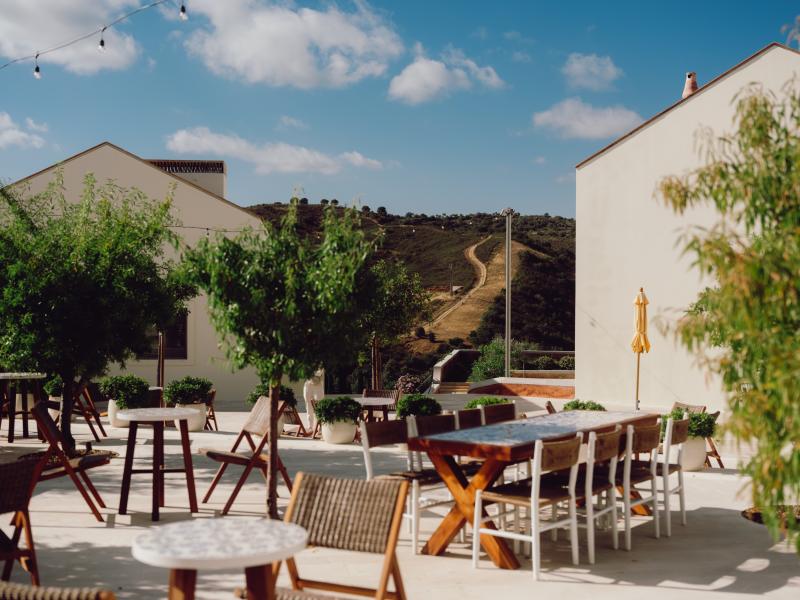
Discover how Catarina and Mário Santos revived Quinta do Tourais and what their family's wines reveal about the Algarve countryside
A World Made by Many
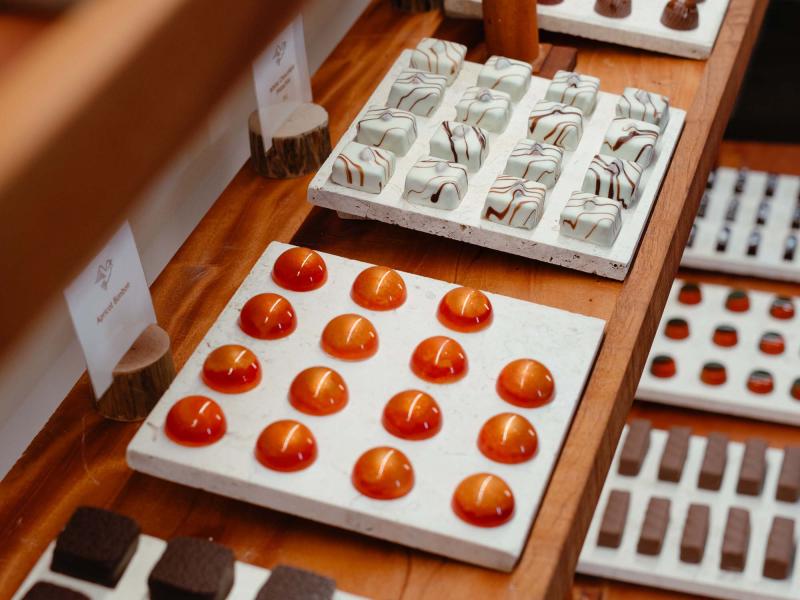
Follow chocolatier Kittle Symphorien from Saint Lucia cocoa pod to handmade chocolate, and discover the Sugar Beach chocolate-making experience.