
Ed Viesturs on Climbing with Humility in Sun Valley
A World Made by Many
Meet Ed Viesturs, the mountaineer who climbed all 14 eight-thousanders without oxygen, and discover his approach to guiding in Sun Valley.

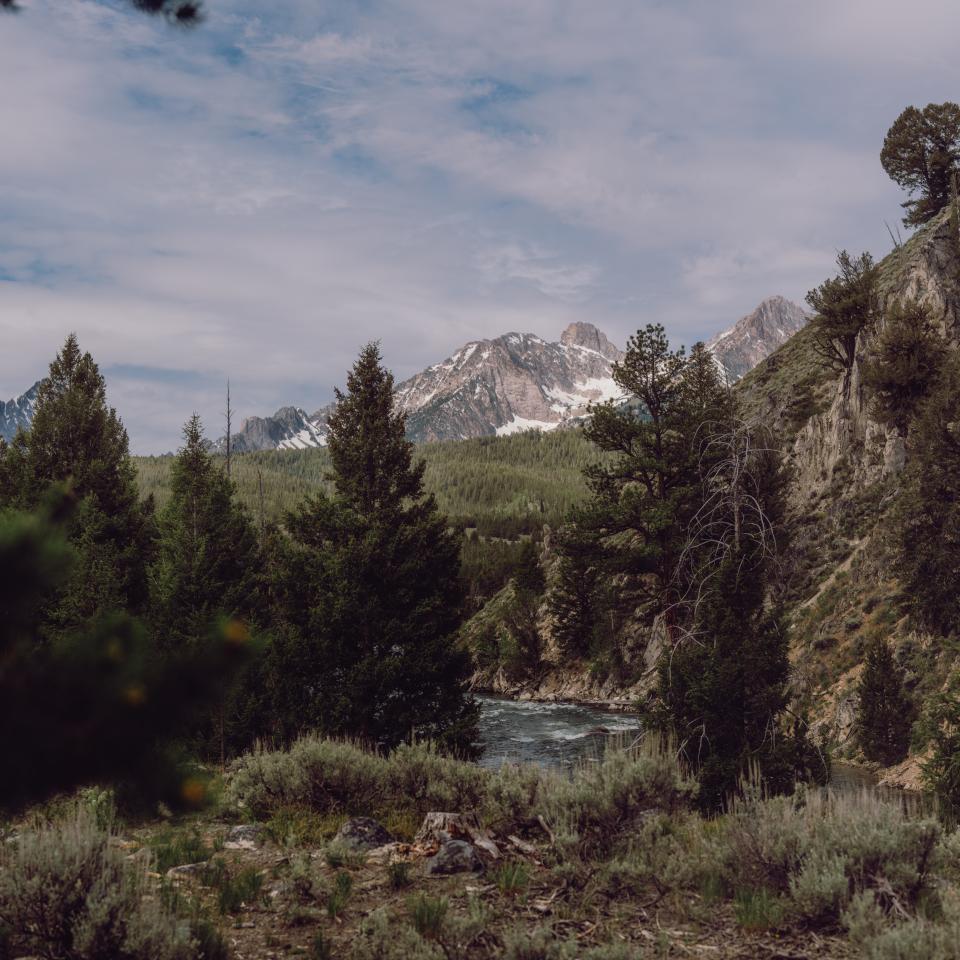
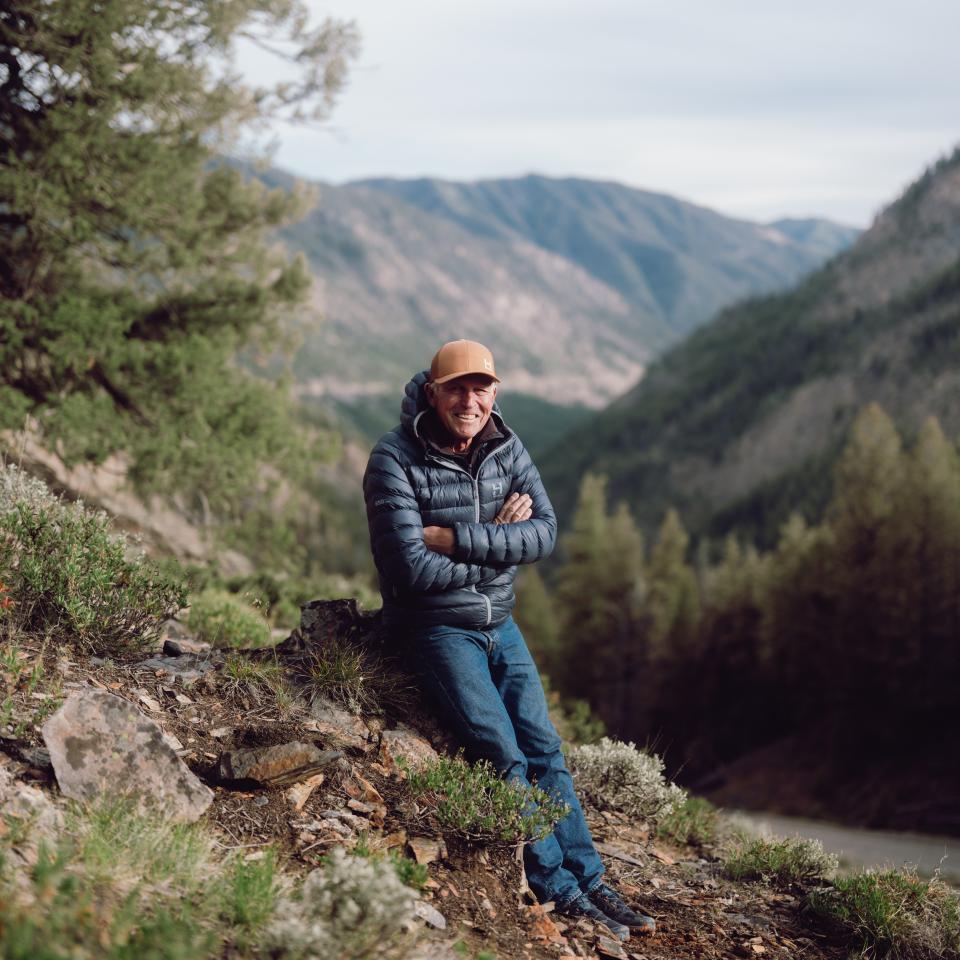
For three decades, Ed Viesturs has been professionally climbing mountains, and he’s called Ketchum, Idaho home for the second half of those years. The mountains Ed built his career on at the Observatory Sun Valley are the first thing he sees when he looks out his window every morning. He trains daily because guiding demands it. Fitness goes beyond personal preference. It’s a necessity when you’re spending your days climbing mountains, guiding, teaching and taking people up the mountains.
From Illinois to the World's Highest Peaks
His gravitational pull towards climbing began at a young age on unlikely terrain in the flat state of Illinois. At 16, Ed read adventure books to escape, and one book in particular, Annapurna, about the 1950 ascent of that mountain, completely rerouted his life. After reading it, he told himself he wanted to climb mountains. “I dedicated the rest of my life to climbing mountains because of that book,” he says.

Illinois wasn’t exactly the ideal place to chase that dream, so he moved to Seattle, which felt like the hub of American Himalayan climbing. Ed found people who were willing to teach him, and eventually, he stood on his first summit: a 10,000-foot glaciated peak called Mount St. Helens, before it erupted in 1980. He remembers the hard and rewarding moments from the surreal experience, standing on the summit and doing a 360-degree turn to look around. “That’s something I remember and something I want to feel again,” Ed recalls. “That’s why I go back over and over and over.”

And he did go back. He continues to. Eventually, Ed reached Everest as one of his first major peaks and spent the next 20 years climbing all 14 of the world’s mountains that are more than 26,000 feet tall, all without supplemental oxygen. “I wanted to elevate myself to the mountain itself,” Ed says, sharing the rationale behind his choice. He believes that when you use oxygen, you’re actually reducing the level of the mountain just so you can say you got to the summit. “For me, it was more important to challenge myself to go to the mountain rather than bring it down to me,” he says.
Why Ed Viesturs Does Not Talk About Conquering Mountains
His philosophy extends to how he talks about the mountains: Ed is quick to correct anyone who describes what he does as conquering. “I don’t like the word conquer,” he says. “When we climb these mountains with humility, respect and patience, we’re allowed to climb the mountain. If anything, we’re walking on this thing, and it knows that we’re there.” He adds, “You’re not going to beat the mountain into submission. It’s going to, with humility and respect, allow you to gain the summit.”
This patience and ethos matters most on the days when a summit doesn’t happen, and Ed emphasizes that it’s never guaranteed, no matter how long you’ve trained or how much time, energy or money you’ve spent. “It’s not the climbers that dictate whether we get to the summit or not,” he says. “It’s the mountain.” And when it doesn’t happen, Ed doesn’t think of it as a failure. Sometimes, the mountain just says no, and you have to respect that.
The Brotherhood of the Rope
And none of the magic happens alone. Climbing a steep, glaciated terrain means roping in to at least one other person moving at the same pace and in the same direction. Because of this dynamic and the safety involved with working alongside a partner, it’s crucial to remain in constant communication. “We call it the brotherhood of the rope,” Ed says. “There’s strength and safety in that. We rely on each other.”
It’s the same principle that applies to the Ketchum community. “A World Made By Many means we all have a role and a responsibility as a collective,” Ed says. “We can’t do it alone.” But as a team, you become very powerful.

Ask him what a summit actually feels like, and Ed gets reflective, just like he does during the experience. “When you're standing on the summit, it's dead quiet unless it's windy,” he says. “No planes, no traffic, no sound. It's just your heartbeat and your breathing. And you want to stay up there forever." Then the other half of the job pulls him back down the mountain, toward home, and eventually, back up again. "If I don't get it on the first try, I'll try again,” he says. “I'll try again as long as I need to get to the top."
Guiding in the Mountains Around Sun Valley
The same rope Ed uses to keep himself safe is the one he uses with guests. Guiding is at the heart of his work, and he’s clear about what he wants to give people. For most visitors, the pull isn’t the 26,000-foot peak. It’s enjoying a landscape they never had a reason to look at closely. “It’s eye-opening for a lot of people that come here for the first time,” Ed says. “The palette, the landscape, the rivers, the mountains.” He’s watched in awe as people go home, transformed. “They’re going to be different, but in a good way,” he says. A traveler doesn’t need to summit to leave feeling changed. They just need someone who is willing to slow down and show them the ropes, which is what Ed is all about.

See Sun Valley as a Mountaineer Might
Ed reads a mountain the way some people read a map: watching the ground, the weather, and knowing when the right move is to turn around. Spend a little time with him in Sun Valley and you start to see the landscape differently. Here, the best hikes aren’t always about reaching the top. Sometimes, the most memorable part is what you notice along the way.
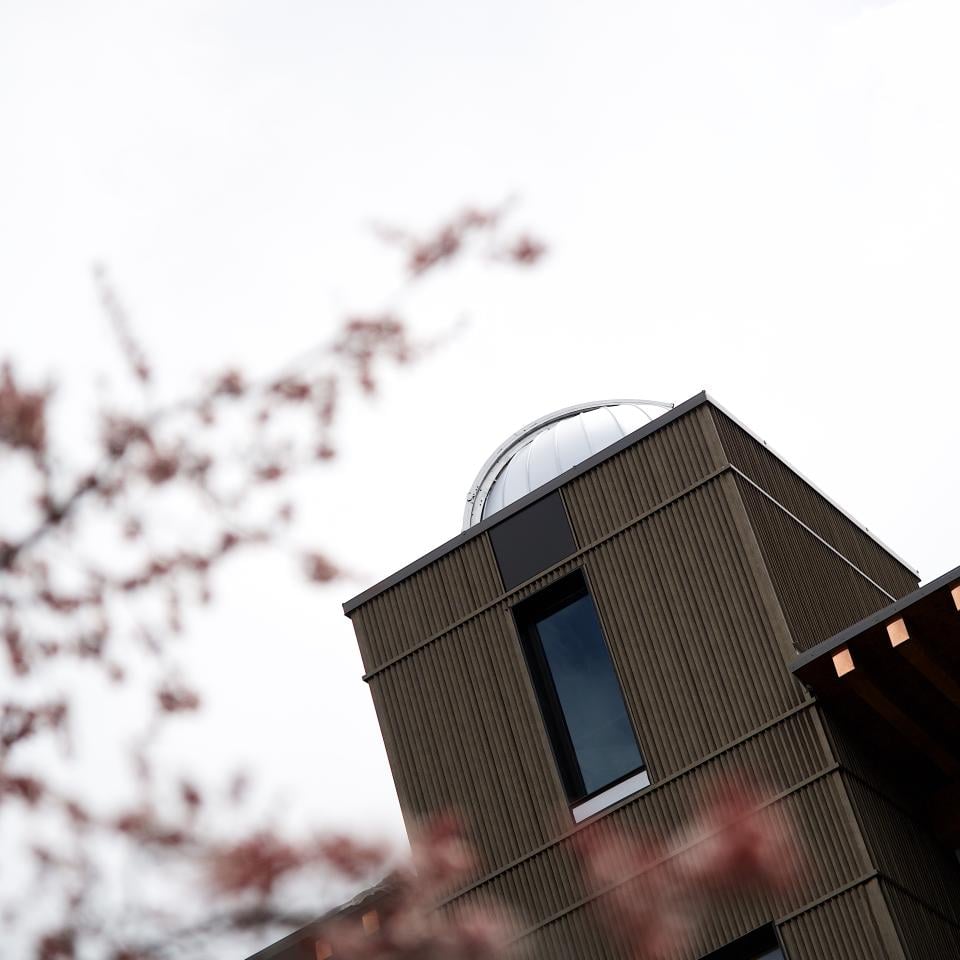
At The Observatory, a Viceroy Resort, we invite you to have your experiences shaped by the people who know these mountains best. We'll bring you closer to the forests, the peaks, and the night skies that make Ketchum worth exploring.
The best thing to bring? Some curiosity about the place you're in. Ed would probably recommend a healthy respect for the mountain, too.
A New Chapter in Sun Valley at The Observatory
October 30, 2026 marks the opening of our mountain retreat shaped by the Wood River Valley’s people and its peaks. The Observatory offers you a chance to see Ketchum from a new angle, with plenty of discoveries awaiting on the trails and back at the lodge.
Explore The Observatory and our opening offers.
The best thing to bring? Some curiosity about the place you're in. Ed would probably recommend a healthy respect for the mountain, too.
More Stories
A World Made by Many
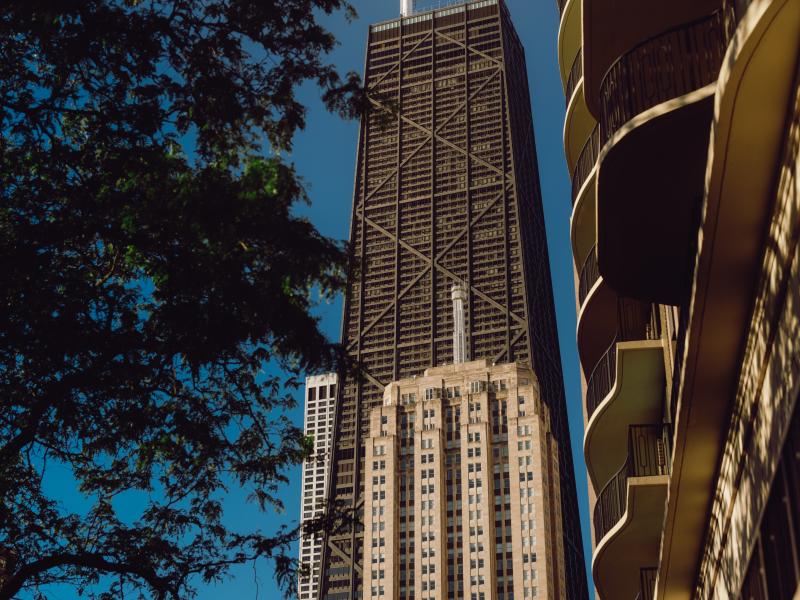
Meet Sayo "Chi" Anise, Viceroy Chicago's beverage director, and discover her approach to creative cocktails, teamwork, and hospitality.
A World Made by Many
Discover how Catarina and Mário Santos revived Quinta do Tourais and what their family's wines reveal about the Algarve countryside

A World Made by Many
Follow chocolatier Kittle Symphorien from Saint Lucia cocoa pod to handmade chocolate, and discover the Sugar Beach chocolate-making experience.