
Seoski kraj Algarve: Zašto ići dalje od plaža
Putovanja
Algarve: dve reči koje odmah prizivaju slike zlatnog peska, prepunih ulica i prepunih plažnih odmarališta. Ali za one koji su primorani da se upuste van obale, otkriva se druga strana Portugala.
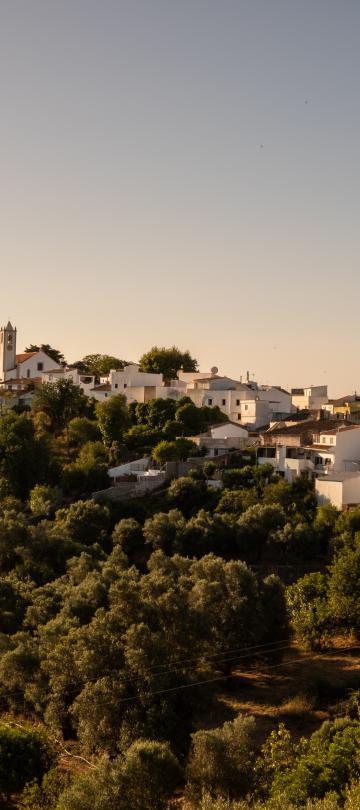
Algarve: dve reči koje odmah prizivaju slike zlatnog peska, prepunih ulica i prepunih plažnih odmarališta. Ali za one koji su primorani da se upuste van obale, otkriva se druga strana Portugala. Visoko u suncem obasjanim brdima unutrašnjeg Barokala, južni Portugal se pretvara u utočište van vremena - svet valovitih brda, maslinjaka, vekovnih ruševina i bujnih šuma isprekidanih živopisnim selima gde svet izgleda kao da stoji mirno. Ovo je prava duša Algarvea i mesto gde je vaš... Viceroy priča počinje.
Dolazak bez napora: Aerodrom Faro
Za mesto koje deluje kao da je svet daleko, dolazak do njega Viceroy na Ombria Algarve je lakši deo. Sa direktnim vezama sa aerodromom Faro (FAO) iz glavnih čvorišta širom Evrope, uključujući London, Pariz, Frankfurt i Dablin, vaša priča o Algarveu počinje od trenutka kada sletite. Jedna besprekorna, 25-minutna živopisna vožnja kroz seoski krajolik Algarvea kasnije, i priobalne gužve potpuno nestaju, ustupajući mesto prelepim pogledima na dolinu i tihoj eleganciji Viceroy na Ombria Algarve .
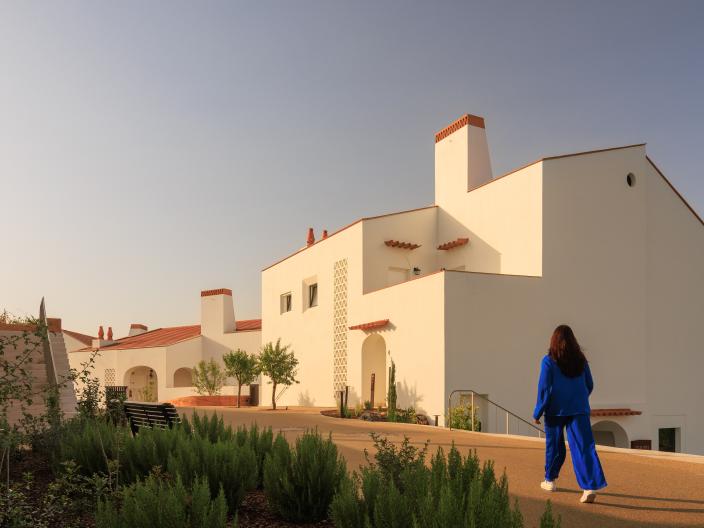
Tvoje mesto pod suncem: Viceroy Ombria Algarve
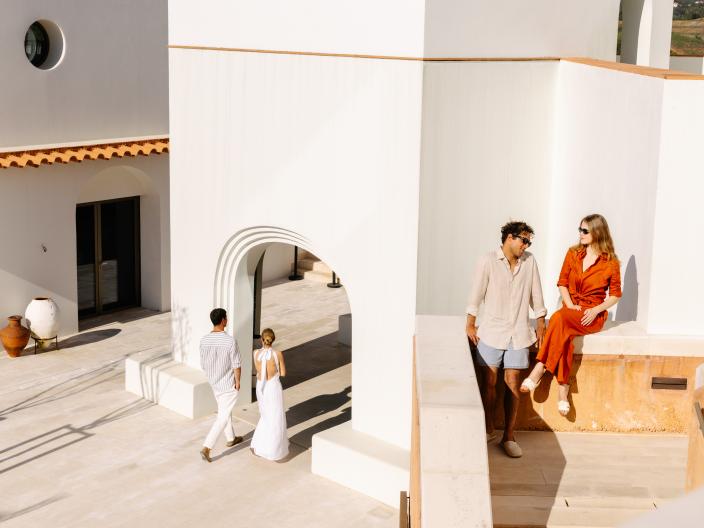
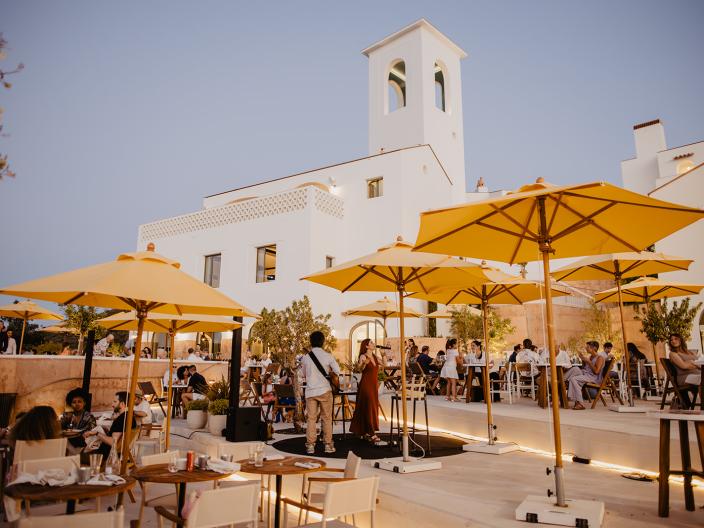
Vekovi portugalskog nasleđa se besprekorno stapaju sa elegantnom, savremenom elegancijom u Viceroy na Ombria Algarve Na samo korak od drevnih sela na vrhovima brda poput Kerense, Altea, Lulea i Salira, predstavlja protivotrov za sjajne turističke zamke na obali. Ova verzija smatranog luksuza nije o izolaciji; to je poziv da ostavite plaže iza sebe i uronite u pravu dušu Algarvea.
Prošli Portugal: Kverensa
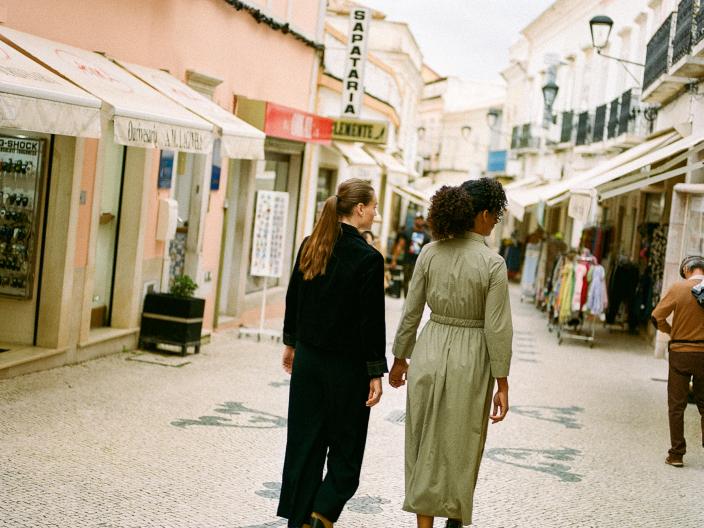
Smeštena u zaleđu algarvejskih planina, Kerensa deluje kao mesto zamrznuto u vremenu. Ovo živopisno selo na vrhu brda sa oko 700 stanovnika nalazi se pored Viceroy na Ombria Algarve Slikovito mesto udaljeno je pet minuta vožnje automobilom, mada je lako dostupno peške za one koji žele da uživaju u opuštenom tempu života u selu Algarve.
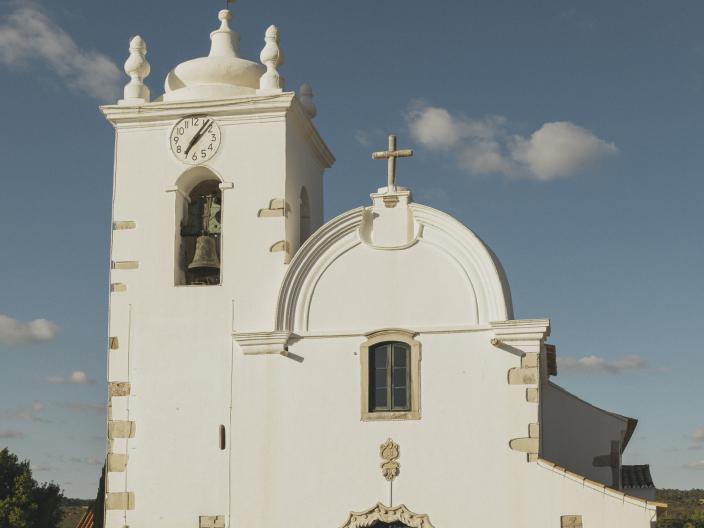
Ovde, tradicionalne kuće ofarbane krečom i zamršeni dimnjaci sa čipkastim uzorcima pružaju oštar kontrast sa živopisnim azurnim nebom. Centralni trg i istorijska crkva nalaze se u srcu grada, okruženi tezgama koje prodaju ručno rađene korpe empreita i restoranima koji služe karakteristična jela iz unutrašnjosti poput kabidelskog petla ili kserema (bogate, ukusne kukuruzne kaše).
Važne znamenitosti:
- Igreja de Nossa Senhora da Assuncao, crkva iz 16. veka ukrašena tradicionalnim ručno oslikanim pločicama, sa vratima u gotskom manuelinu i veličanstvenim pozlaćenim oltarom.
Sezonski najvažniji događaji:
- Festa das Šurisas, festival dimljenih kobasica koji se održava trećeg vikenda u januaru. Vekovna verska i kulinarska proslava odaje počast Sao Luisu (Svetom Luisu), svecu zaštitniku i zaštitniku životinja, a istovremeno predstavlja bogatu gastronomiju regiona.
Van turističke staze: Alte
Drevni Alte je proživeo mnogo života: prvo praistorijsko poljoprivredno naselje, zatim utvrđeni grad, a sada mirno utočište od prepunih turističkih gradova na obali. Skriven u krečnjačkim podnožjima planina Sera do Kaldeirao, smatra se jednim od najnetaknutijih sela Algarvea: arhitektonska vremenska kapsula kaldrmisanih uličica, crvenih crepnih krovova i dimnjaka u stilu rešetki koji evociraju mavarsku prošlost regiona.
Samo 15 minuta od Viceroy na Ombria Algarve , vredi ga posetiti samo zbog samog putovanja. (Slikovite vožnje kroz seoski krajolik Algarve uvek jesu.) Kada stignete tamo, sam grad je veoma pogodan za pešačenje i može se u potpunosti istražiti peške za samo nekoliko sati. Fontesi (rečni bazeni obloženi kamenjem) u hladu drveća vijugaju kroz grad, savršeni za osvežavajuće kupanje ili opuštajući piknik duž obala.
Važne znamenitosti:
- Keda do Vigario, visoki vodopad od 24 metra koji pruža zadivljujući prizor tokom hladnijih meseci, ali je poznato da potpuno presuši tokom toplih letnjih meseci.
- Kapela Svetog Luisa, kapela iz 15. veka i bivša džamija sa bogato ukrašenim brodom i oltarom u baroknom stilu, zajedno sa kolekcijom slika iz 18. veka.
Sezonski najvažniji događaji:
- Dia do Trabaljador, godišnji festival povodom Prvog maja u Alteu. Očekujte tradicionalne narodne igre, živopisne prikaze boja, živu muziku i mnoštvo meštana koji ispunjavaju uske ulice grada kako bi proslavili dolazak proleća.
Autentična iskustva Algarvea: Lule
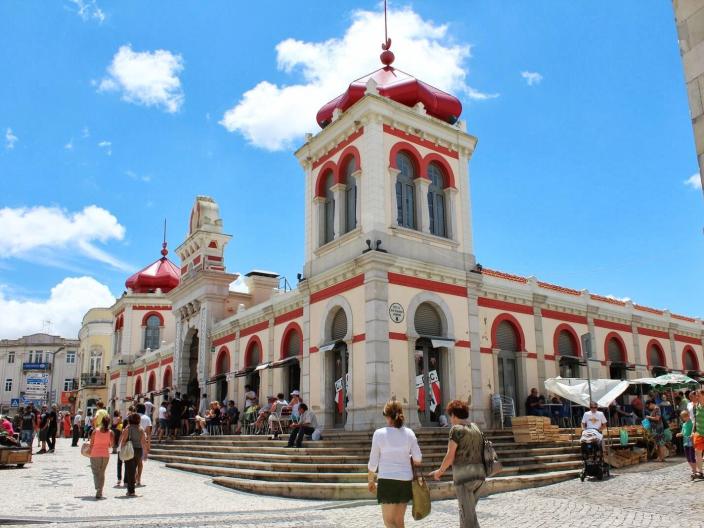
Istorijski grad Lule je destinacija koju morate posetiti u svakom turističkom vodiču za unutrašnjost Algarvea. Smešten otprilike 15 kilometara od atlantske obale, nudi intiman uvid u tradicionalni portugalski život, usredsređen oko živahne tržne palate Merkado Municipal de Lule. Izgrađena 1908. godine, pijaca sa ružičastom kupolom služi kao srce sela. Užurbane tezge nude lokalno uzgajane bademe, smokve i rogače, zajedno sa zanatskim bakarnim posuđem, kožnom galanterijerom i ručno tkanim korpama.
Posetite subotom da biste doživeli grad u njegovom najživljem izdanju (pijaca, kao i mnoge lokalne znamenitosti i atrakcije, zatvorene su nedeljom i ponedeljkom). Ili se pridružite Viceroy Glavni kuvar za vođeno iskustvo od pijace do stola : razgovarajte sa lokalnim prodavcima, sakupljajte sastojke i gledajte kako ih vaš kuvar pretvara u izvrsna portugalska jela, deleći stručne tehnike usput.
Važne znamenitosti:
- Kastelo de Lule, nacionalni spomenik i tvrđava iz 13. veka čiji koreni sežu do rimskog prisustva u drugom veku. Pogled sa bedema nudi prelepe vidike na okolni seoski predeo Algarve.
- Islamska kupatila (Banhos Islâmicos de Loulé), javni kupatilo iz 12. veka, nacionalni spomenik i jedini potpuno dokumentovani ostaci hamama u Portugalu. Istražite arheološki muzej i istorijsko imanje izgrađeno na tom mestu u 17. veku.
Sezonski najvažniji događaji:
- Karneval u Luleu, godišnja gradska proslava Poklada, započinje prolećni post lutkama, paradama i živahnim samba plesom.
- Noite Branka („Bela noć“), proslava kraja leta koja se održava poslednje subote u avgustu, kada se cela zajednica okuplja u moru belog kako bi uživala u živoj muzici, uličnim izvođačima i smelim vazdušnim akrobacijama.
Barokska idila: Salir
Smešten dramatično na vrhu planine Sera do Kaldeirao, Salir nudi trenutak surovog šarma unutrašnjosti Algarvea. Ovde se uske, bele uličice vijugaju pored tradicionalne mavarske arhitekture, vodeći posetioce ka bujnim dolinama i valovitim voćnjacima.
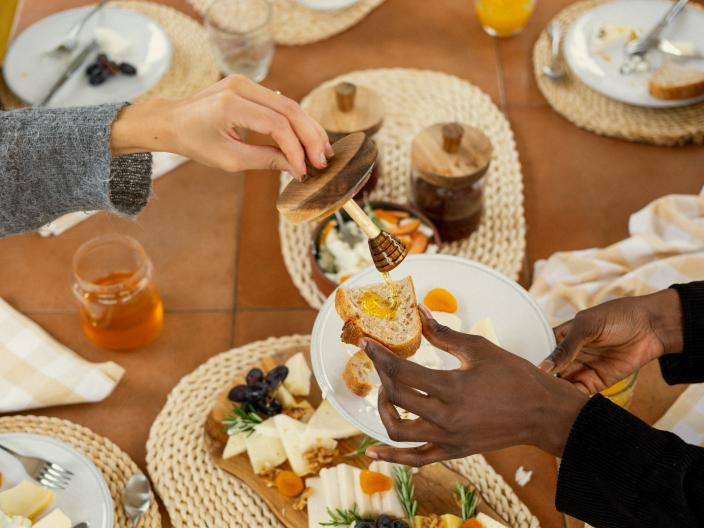
Ovo je netaknuta priroda Algarve u svom najlepšem izdanju. Napajan prirodnim izvorima, obližnji rezervat prirode Fonte Benemola je utočište zelenih brda, staza sa drvećem i raznovrsnog divljeg sveta. Istražite ga laganim tempom na stručno vođenoj konjskoj turi od Viceroy na Ombria Algarve , ili dublje uđite u živopisno pčelarstvo grada uz iskustvo pčelarstva i degustacije u tradicionalnoj, porodičnoj fabrici meda.
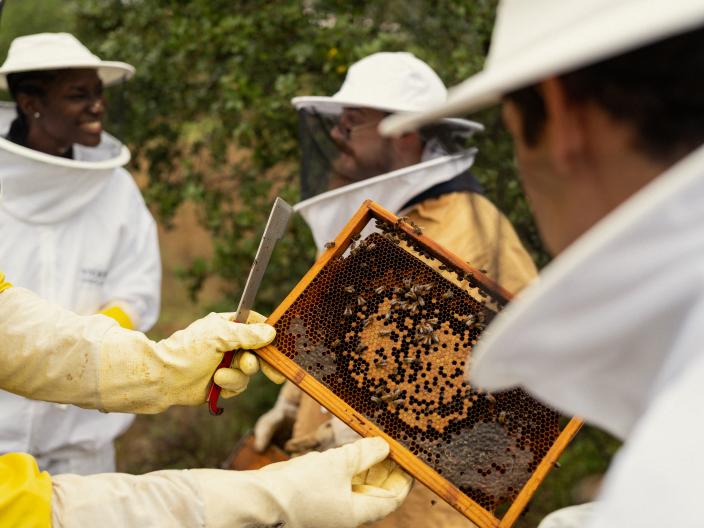
Nakon toga, svratite u lokalnu kafanu — neupadljivi Beirada bar je omiljeno mesto među stanovnicima i posetiocima. Ugrejte se gutljajem medronja, čuvene, ručno pravljene rakije od šumske jagode u regionu, koja se savršeno slaže sa regionalnim sirevima i lokalno ubranim medom.
Važne znamenitosti:
- Zamak Salir , almohadska tvrđava iz 12. veka izgrađena od taipe i kamena. Nekadašnje taktičko uporište sada je dom malog arheološkog muzeja i nudi panoramski pogled na okolni pejzaž.
Sezonski najvažniji događaji:
- Festa da Kastanja, koja se održava svake godine u novembru u čast sezone žetve, prava je gozba za čula: zvuk melodija Koridinja, ukus divljeg meda i miris pečenih kestena koji se širi na jesenjem povetarcu.
- Staza Roča da Penja Krest, planinarska staza Algarvea duga 6,6 kilometara koja svakog proleća procveta, dom je preko 450 biljnih vrsta, uključujući autohtono divlje cveće i divlje orhideje.
Priča ukorenjena u duhu Algarvea
Viceroy na Ombria Algarve otvara vrata one strane Portugala koju većina putnika potpuno propušta. Iza suncem obale nalaze se drevna, vetrovita brda, vatreni medronjo i bezvremenska sela koja nisu predala svoju dušu gomili. Prigrlite neočekivanu stranu Portugala na Viceroy na Ombria Algarve .
Još priča
Putovanja
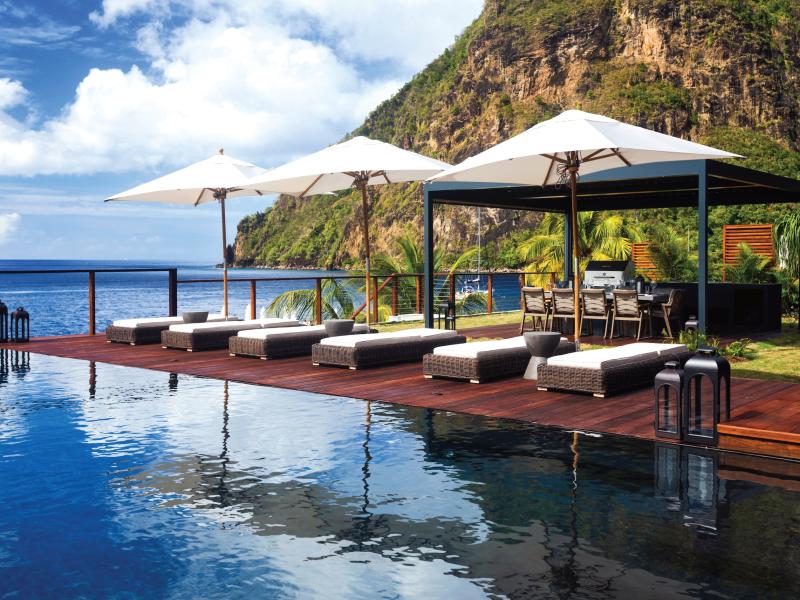
Spremni da napravite sopstvenu priču o ostrvu? Ova četiri prekrasna smeštaja pružaju savršen ambijent.
Putovanja
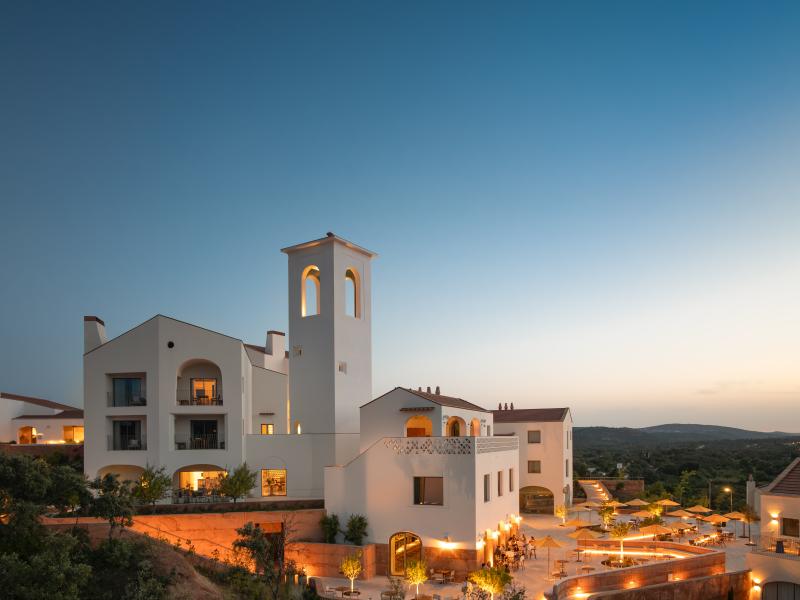
Otkrijte svet autentičnih lokalnih iskustava na Viceroy u Ombria Algarve. Ovaj 3-dnevni Algarve Portugal itinerer vas vodi od golfa i spa do obližnjeg Loule.
Putovanja
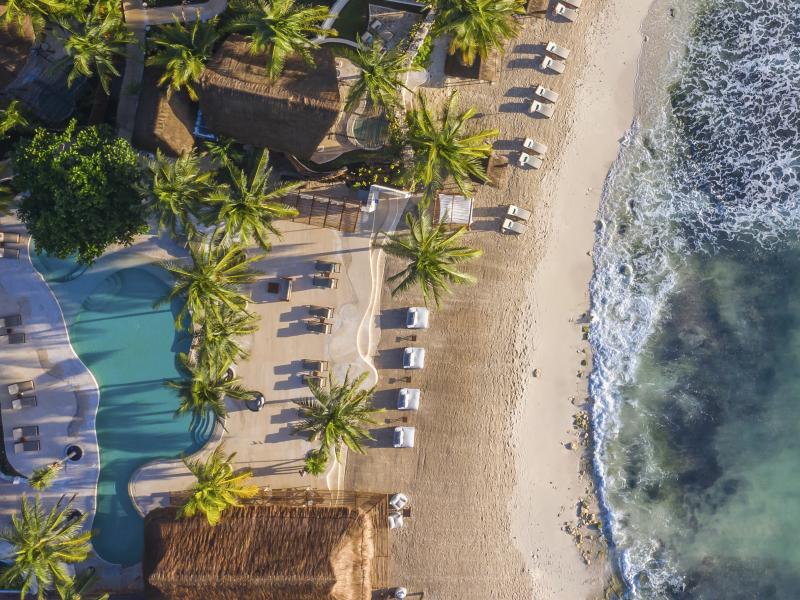
Meki pesak, toplo sunce, odmor na plaži koji se oseća svetovima daleko od svakodnevice. Kada zatvorite oči i pomislite na taj savršeni deo peska, neki elementi su dati. Ali Viceroy's Beach Escapes otvaraju oči u drugačiji svet, svaki sa posebnom dušom.